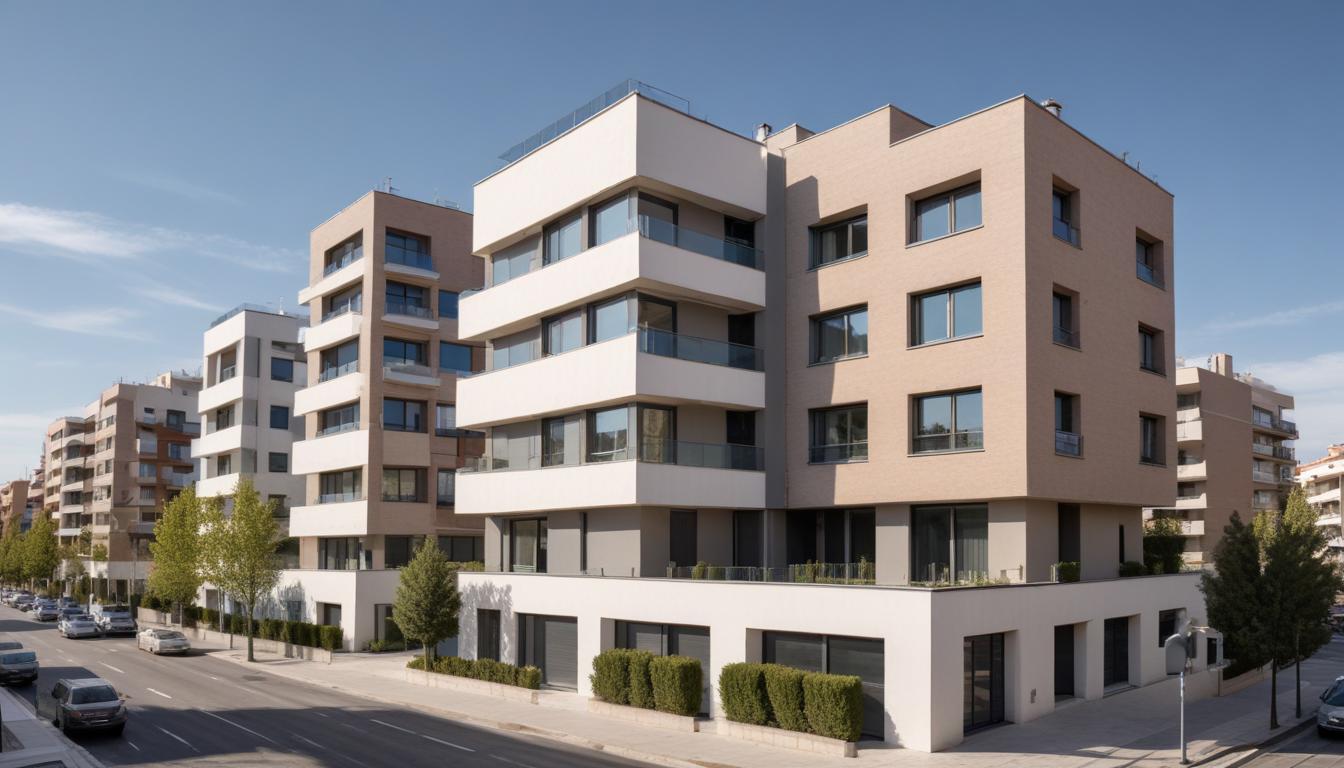
Madrid's rental market is experiencing a fascinating paradox. While vacancy rates in prestigious zones like Salamanca and Chamberí hover stubbornly below 3%, neighbourhoods such as Vallecas and San Blas are seeing slightly higher availability—yet both scenarios are creating tension between landlords and tenants in fundamentally different ways.
The numbers tell a compelling story. In Salamanca, where monthly rents for two-bedroom apartments average €2,100, landlords have become increasingly selective, often demanding guarantors, proof of employment, and deposits reaching three months' rent. Meanwhile, tenants face bidding wars reminiscent of property-purchase battles, with prospective renters sometimes offering above-asking prices just to secure viewings. The pressure is palpable along Calle Serrano and around Plaza de Retiro's fringe areas.
Malasaña and Chueca present a different challenge. These increasingly desirable neighbourhoods are experiencing rapid gentrification, with vacancy rates compressing as international buyers convert long-term rental stock into short-term tourist accommodations. Average rents here have climbed 12% year-on-year, pricing out long-established residents and forcing younger Madrileños further east toward Vallecas.
For landlords, the current environment presents unexpected complications. While tight vacancy rates suggest strong bargaining positions, the political climate around rental regulation—including ongoing discussions about tenant protections—has made some property owners cautious about taking on problematic tenants. Many are now investing in enhanced background checks and longer lease commitments, seeking stability over quick turnovers.
Tenants, conversely, are adopting defensive strategies. Forward-thinking renters are securing apartments 3-4 months early, documenting income meticulously, and even offering personal references from previous landlords—essentially pre-emptively addressing concerns before they arise. Professional associations and tenant advocacy groups like the Asociación de Inquilinas e Inquilinos de Madrid have reported increased consultation requests.
The broader picture suggests Madrid's rental market is bifurcating. Premium central areas favour landlords, creating barriers for entry-level renters and young professionals. Emerging neighbourhoods like Vallecas, while more accessible, face their own pressures as gentrification gradually increases costs. For both landlords and tenants navigating this landscape, flexibility, documentation, and strategic timing have become essential.
The rental market's evolution reflects Madrid's broader transformation—a city caught between its traditional appeal and modern pressures, where supply constraints and changing investment patterns directly impact everyday housing decisions.
This article was compiled by AI from the sources linked above and screened before publishing. See our editorial standards.