Madrid's investment property market has reached an inflection point. While average square-metre prices across the city hover around €4,500, rental yields have compressed dramatically, forcing investors to recalibrate expectations and reassess where money actually flows in 2026.
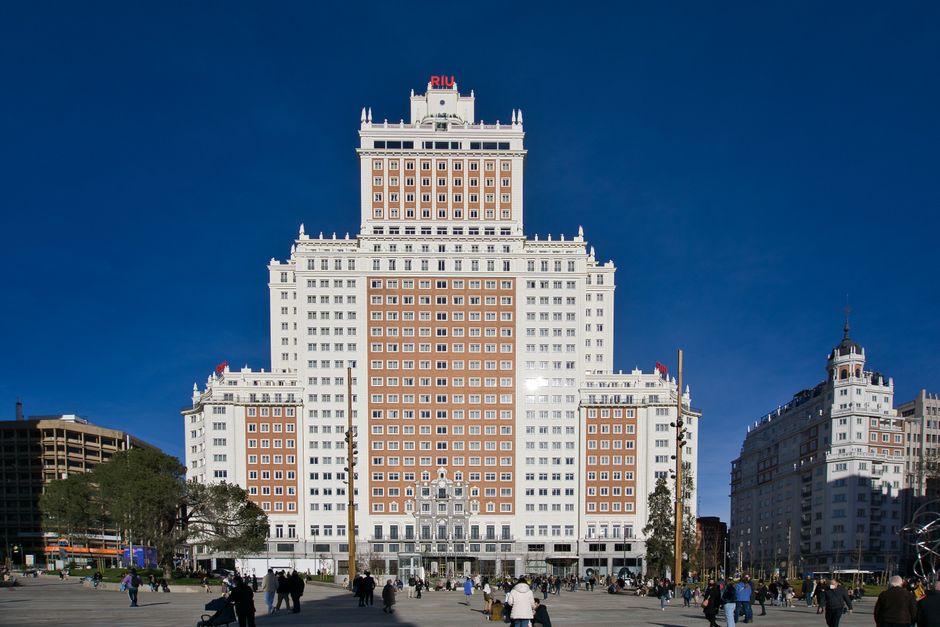
The pressure is visible across traditionally strong neighbourhoods. In Salamanca and Chamberí, premium positioning and steady international demand have pushed valuations skyward, yet gross yields on residential rentals have fallen below 3.5 per cent—a threshold that leaves many landlords questioning returns. These barrios attract lifestyle and corporate relocations, but price appreciation has outpaced rental growth, squeezing the arithmetic that once justified purchases.
Meanwhile, the structural forces reshaping Madrid remain potent. Tourist accommodation regulations—stricter licensing requirements and neighbourhood caps—have redirected capital away from short-term holiday lets toward long-term residential rentals. That reallocation sounds benign until you do the maths: monthly rental rates per square metre in central neighbourhoods like Malasaña and Chueca have risen modestly while purchase prices climbed 15–18 per cent over three years. Investors banking on rental income rather than capital gains face tighter margins.
Vallecas presents a contrasting narrative. The traditionally working-class district south of the Manzanares has emerged as the city's genuine growth corridor, with rising infrastructure investment and gentrification trajectories. Here, yields approach 4.5 per cent—meaningfully higher than central options—though with corresponding tenant-mix and volatility considerations that Salamanca money rarely encounters.
What drives prices now? Three dynamics dominate. First, institutional investors—pension funds and REITs—have deployed substantial capital into bulk residential portfolios, anchoring floor prices. Second, foreign buyers seeking EU residency and portfolio diversification continue absorbing premium stock, particularly in Chamberí and near Retiro park. Third, Madrid's status as Spain's economic engine and Europe's undervalued major capital attracts relative value hunters from London, Paris and Frankfurt.
For landlords evaluating entry or exit, the arithmetic demands discipline. Calculate net yield—deduct maintenance, taxes, vacancy and management fees—rather than headline rental rates. Scrutinise neighbourhood trajectory, not just current prestige. Vallecas and surrounding eastern districts offer yield-conscious investors genuine opportunity; central barrios reward patient holders betting on capital gains and euro strength rather than immediate rental cash flow.
The Madrid market rewards specificity. Generic assumptions about property-as-passive-income no longer hold. Understand why you're buying—yield, appreciation or stability—and match neighbourhood selection to that thesis. The city's complexity has deepened; so must investor rigour.
This article was compiled by AI from the sources linked above and screened before publishing. See our editorial standards.