Madrid's ultra-luxury segment—properties exceeding €5m in neighbourhoods like Salamanca and Chamberí—is experiencing its sharpest acceleration in a decade, driven by three converging forces that savvy buyers and investors need to understand before entering the market.
First: geopolitical capital inflow. Since late 2024, wealthy families from the Middle East, Latin America, and Eastern Europe have viewed Madrid as a stable, EU-anchored alternative to London and Paris. The Paseo de la Castellana corridor and the blocks surrounding Retiro Park have attracted substantial buyer interest, with landmark penthouses in the Chamberí district fetching €8,000–€12,000 per square metre—nearly triple the city average of €4,500/sqm. Visa residency programmes and Spain's favourable tax regime for foreign investors have accelerated this trend significantly.
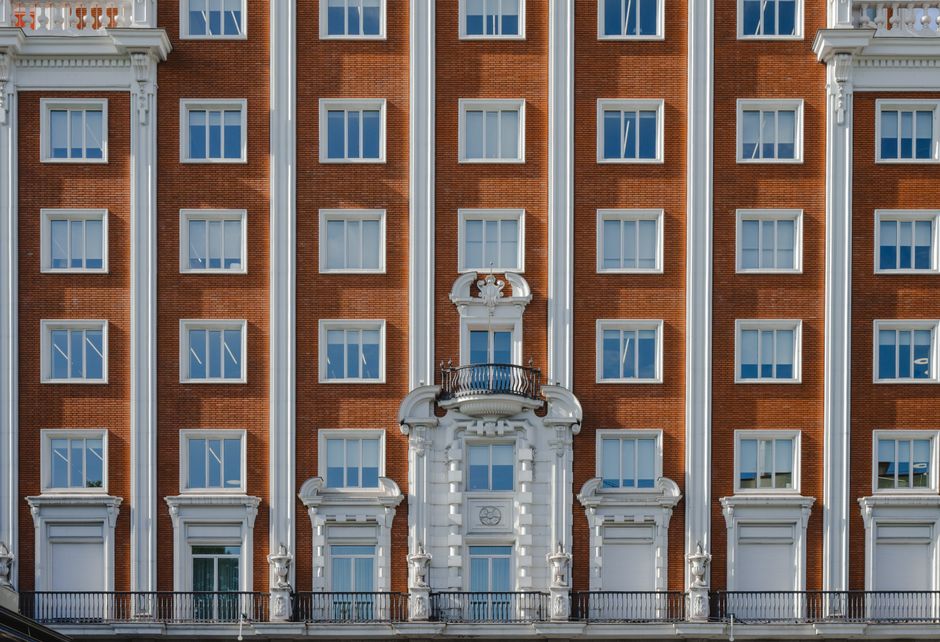
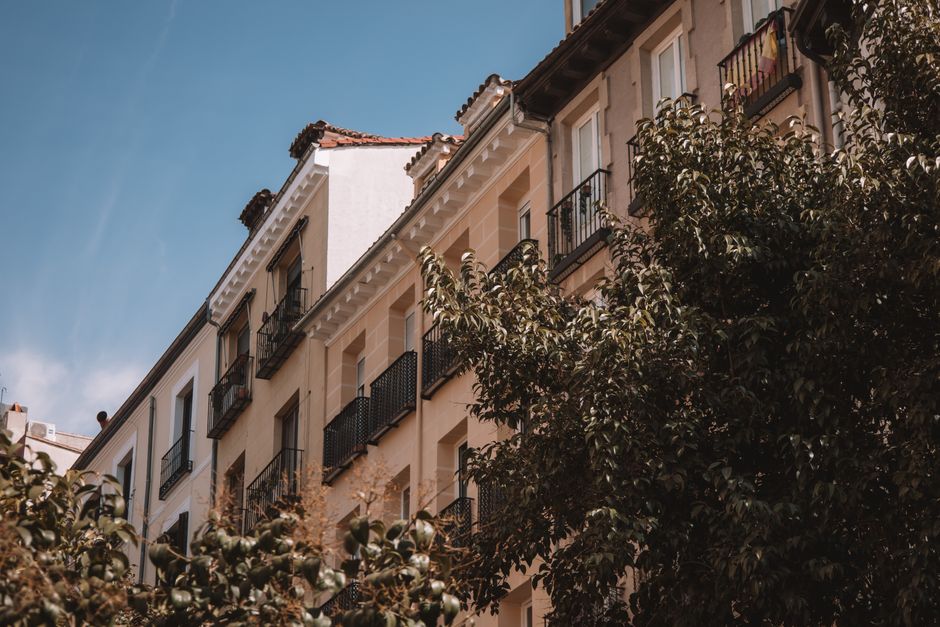
Second: heritage scarcity. The Madrid City Council's strengthened protections on Belle Époque buildings in Salamanca (particularly around Calle Serrano and Paseo de Recoletos) have artificially constrained supply. Fully reformed apartments in original early-20th-century palacetes now command premiums of 40–60% over comparable modern stock. Buyers are paying not just for location but for the irreplaceable character of these buildings—a dynamic that shows no sign of reversing.
Third: currency dynamics. The euro's weakness against the dollar and pound has made Madrid acquisitions 15–18% cheaper for international buyers since early 2025, creating a genuine window. Simultaneously, local wealth from Spain's tech and finance booms (particularly around the Salamanca and Retiro precincts) continues driving competitive bidding among domestic ultra-high-net-worth individuals.
What buyers need to know: due diligence is critical. The prestige segment's opacity—private sales, off-market transactions, and limited transparency—means working with reputable Madrid-based advisors is essential. Expect 12–18 months lead times for landmark properties; sellers rarely rush in this bracket.
Second, tax planning matters. Non-EU buyers should understand Spain's wealth tax (Impuesto sobre el Patrimonio) and property transfer taxes, which can reach 10–12% of acquisition cost depending on region and circumstance.
Third, the market has legs but isn't frictionless. While geopolitical uncertainty may sustain demand, regulatory tightening around foreign ownership and proposed restrictions on short-term rentals in premium districts could reshape value propositions. Properties with strong rental income potential are commanding higher acquisition multiples.
For buyers, timing favours action within the next 18 months, before euro recovery or regulatory shifts close the current arbitrage window.
This article was compiled by AI from the sources linked above and screened before publishing. See our editorial standards.