Madrid's luxury property market is telling two stories simultaneously, and the gap between them matters.
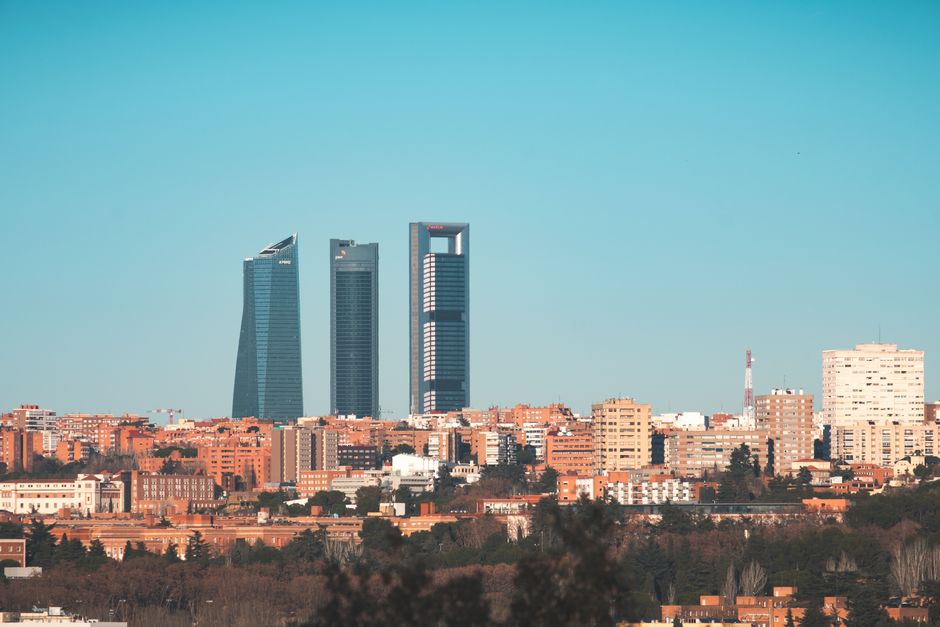
On the surface, the headline numbers look robust. Properties in Salamanca and Chamberi—the traditional strongholds of prestige—continue to command premium multiples over the city average of €4,500 per square metre. Select addresses along Paseo de la Castellana and Calle Velázquez have seen asking prices breach €8,000 per sqm, with a handful of exceptional penthouses approaching €10,000. Yet auction data tells a more nuanced tale: not all luxury stock moves at anticipated velocity, and buyer appetite has become sharply selective about what qualifies as genuinely desirable.
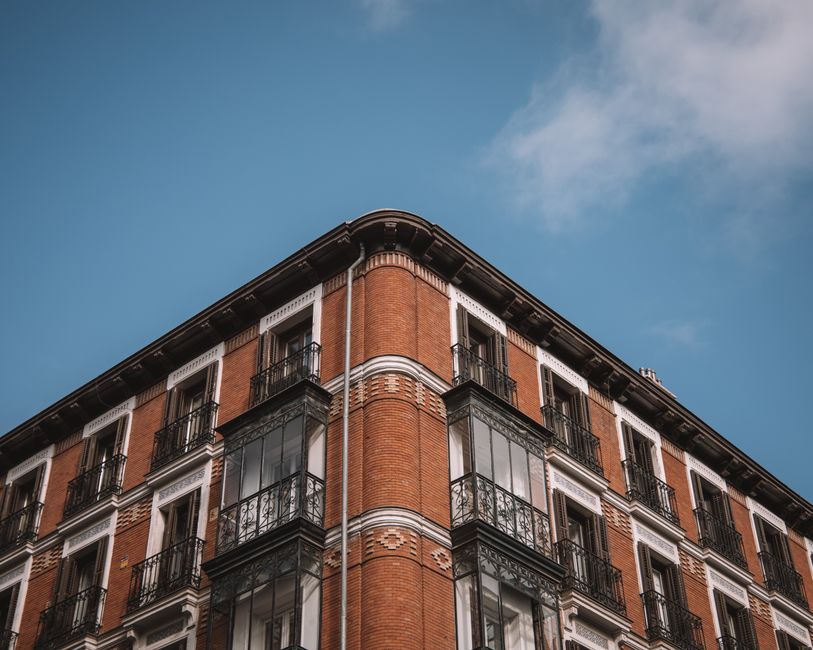
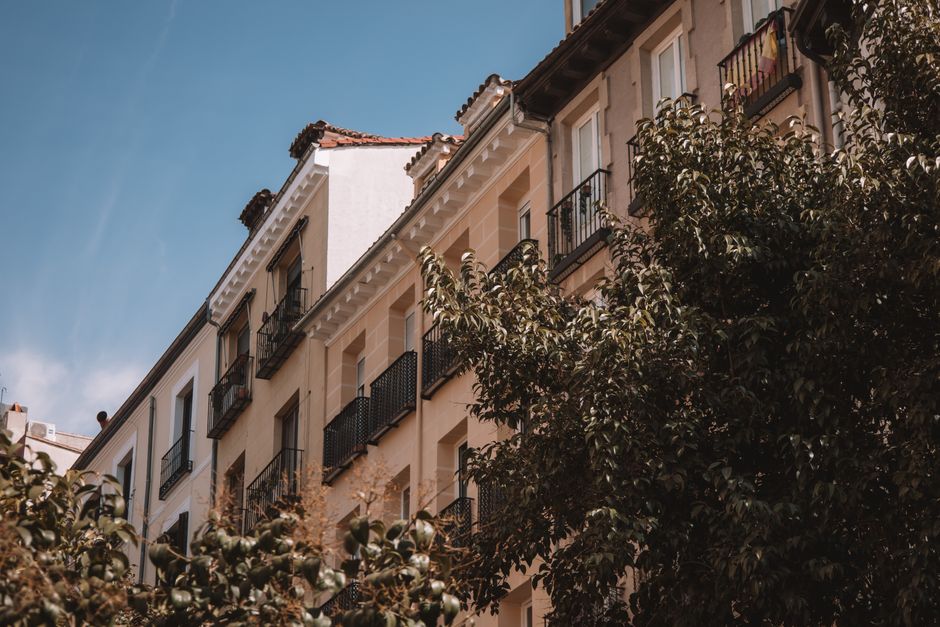
Recent auction results from Catastro and specialist commercial platforms reveal that repositioning has begun within traditionally elite neighbourhoods. Properties in secondary Salamanca locations—those lacking direct sight lines to Parque de El Retiro or positioned on less-trafficked side streets—are seeing longer marketing periods and, critically, more aggressive price adjustments at point of sale. Conversely, trophy assets in Chamberi with original fin-de-siècle architecture and high ceilings continue to attract international bidding, particularly from Gulf and Anglo-European buyers.
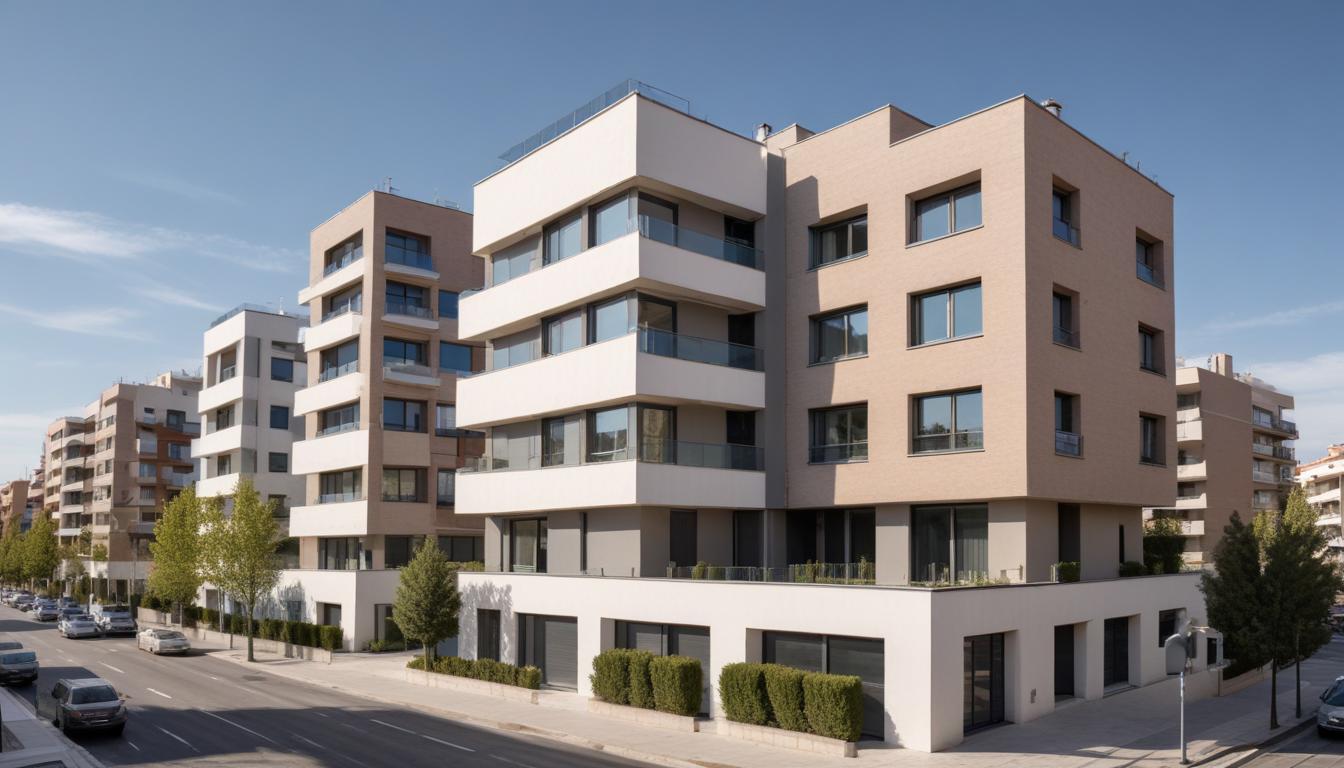
The data also signals geographic expansion at the ultra-high end. While average prices across Madrid remain steady, developers and brokers are reporting unexpected traction in carefully curated projects in northern Vallecas and around the Paseo de Extremadura corridor. These aren't mass-market ventures; they're architecturally ambitious, low-density developments targeting buyers seeking both prestige and modernist credentials—a cohort increasingly skeptical of heritage premium alone.
What's most telling is the auction calendar itself. Frequency of prestige property auctions in 2025-26 suggests a market recalibrating rather than overheating. Judicial auctions, typically a distressed-sale indicator, have ticked upward marginally in Malasaña and Chueca—areas where short-term rental regulation and gentrification cycles have created inventory pressure. Meanwhile, private auctions and off-market transactions in verified prime locations remain uncommon, implying that genuine scarcity still commands discretionary pricing power.
For investors and owner-occupiers, the message is clear: ultra-luxury Madrid isn't monolithic. Buyer conviction remains strongest for architecturally distinctive properties, positioned in established neighbourhoods with demonstrable international recognition. Generic high-specification apartments, regardless of postcode, face headwinds. The city's prestige market, in short, is becoming less about postal codes and more about individual asset merit—a shift that separates experienced operators from those relying on historical assumptions.
This article was compiled by AI from the sources linked above and screened before publishing. See our editorial standards.