Madrid's Next Wave: How Major Development Projects Are Reshaping Six Key Neighbourhoods
From Vallecas to Tetuán, ambitious mixed-use schemes are driving migration patterns and rewriting local investment calculus.
From Vallecas to Tetuán, ambitious mixed-use schemes are driving migration patterns and rewriting local investment calculus.
Madrid's property market is experiencing a notable inflection point. While central districts like Salamanca and Chamberí maintain their premium positioning at €5,200–€5,800 per square metre, a parallel story is unfolding in the periphery, where major development projects are fundamentally altering neighbourhood trajectories and buyer appetite.
Vallecas has emerged as the most dramatic case study. The ongoing transformation of the Ensanche de Vallecas zone—anchored around the new mixed-use complexes near Parque de la Cuña Verde—has begun pulling investor attention southward. Properties that traded at €3,100/sqm three years ago now command €3,800/sqm, a 22% appreciation driven largely by proximity to retail, dining, and office space in these new schemes. The developer consortium behind the Mercado de Vallecas redevelopment has catalysed secondary interest in surrounding streets like Calle de Peña Gorbea and Avenida de la Paz.
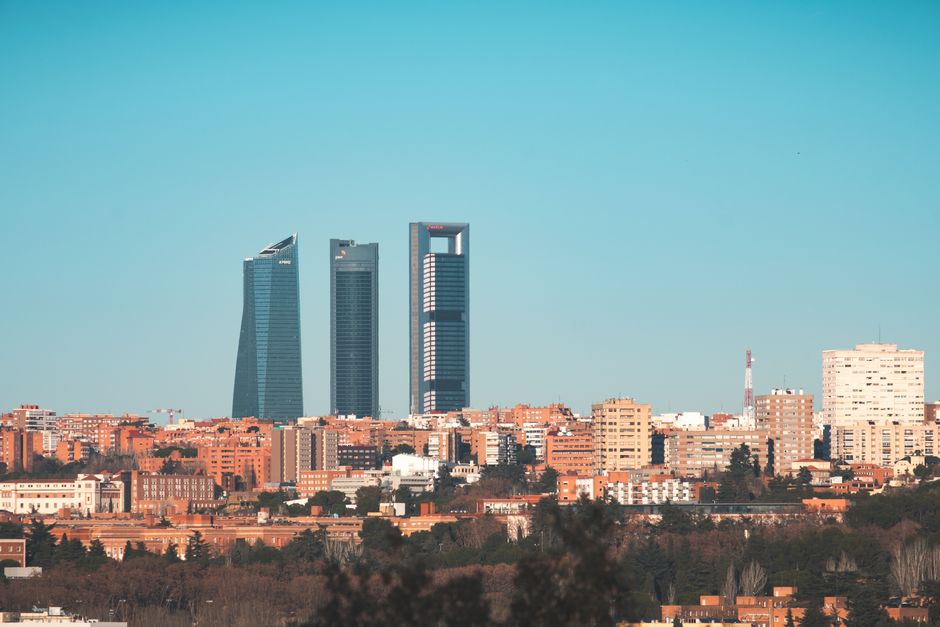
Similarly transformative is Tetuán's ongoing reinvention. The €180 million mixed-use project anchored at Plaza de Castilla—combining residential towers with cultural facilities and a renovated metro interchange—has repositioned what was historically overlooked as a transit corridor. Local valuations have climbed to €4,100/sqm, narrowing the discount versus central Madrid significantly. International buyers, particularly from London and Frankfurt, have begun targeting Tetuán properties as appreciating assets with fewer bidding wars than Malasaña or Chueca.
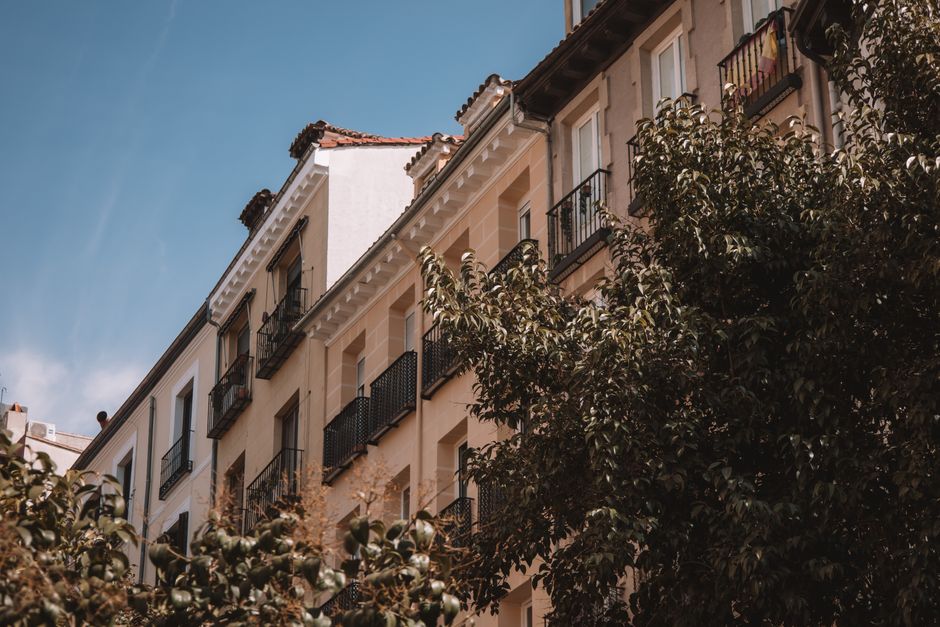
Malasaña itself remains buoyant, though development patterns here differ markedly. Rather than large-scale new construction, renovation-led gentrification continues. The refurbishment of historic buildings around Calle San Andrés and the Plaza del Dos de Mayo, combined with new boutique hotel projects, sustains average prices near €4,600/sqm. These projects tend to preserve neighbourhood character while incrementally raising local valuations.
Less heralded but equally significant: Aluche's emerging status as a value-growth play. Several mid-rise residential and co-living developments launched in 2024–2025 near the Línea 5 metro extension have attracted first-time buyers and international investors seeking exposure to outer-ring appreciation without central-zone density premiums. Prices hover around €3,500/sqm, with new developments marketing sustainability credentials and flexible lease arrangements.
The macro pattern is clear: Madrid's development pipeline is fragmenting traditional centre-periphery investment logic. Buyers can no longer assume that central location guarantees returns. Neighbourhood-specific project announcements now drive micro-market movements, particularly where schemes bundle improved transport connectivity with mixed-use programming. For investors, the implication is tactical: monitor municipal planning calendars and developer pipelines as closely as historical price data.
This article was compiled by AI from the sources linked above and screened before publishing. See our editorial standards.
How does this story make you feel?
Spread the word
About this article
Published by The Daily Madrid
Daily brief
Free, in your inbox before 7am. Weekdays.
More in Property