Madrid's property market has undergone a dramatic shift in the past 18 months. The city-wide average of €4,500 per square metre masks a more complex story—one that first-time buyers must understand to make informed decisions in 2026.
Three interconnected forces are driving prices upward. First, strong international buyer interest, particularly from tech workers relocating to Madrid's growing startup ecosystem, has intensified competition in central neighbourhoods. Second, institutional investors have shifted focus from major European cities to Madrid, viewing the Spanish capital as undervalued compared to Paris or Berlin. Third, the Bank of Spain's gradual interest rate stabilisation has made financing more predictable, encouraging buyers who previously sat on the sidelines.
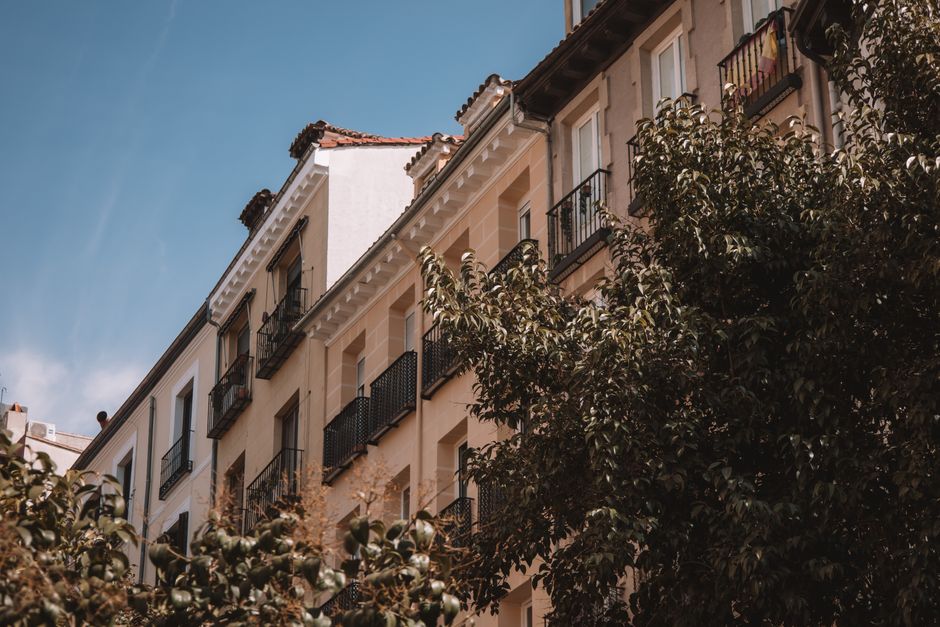
The impact varies dramatically by location. Salamanca and Chamberí remain exclusive, with properties regularly exceeding €6,000 per square metre. Conversely, Malasaña and Chueca—once considered emerging—have matured into established desirable neighbourhoods, with renovation projects along Calle Espíritu Santo and near Plaza 2 de Mayo now commanding premium prices. Vallecas represents the last genuine growth corridor, where savvy first-timers can still find value, though prices there have risen 12-15% annually.
For buyers entering this market, several mechanisms now deserve attention. The Spanish government's first-time buyer grant scheme—offering up to €10,000 tax deduction for under-35s purchasing primary residences in certain regions—remains underutilised. Additionally, Madrid's regional government has expanded mortgage guarantee programmes, reducing required down payments from 20% to as low as 5-10% for qualified applicants. Community banks and building societies affiliated with the Spanish Banking Association often offer more flexible terms than major institutions.
However, buyers must account for hidden costs. Property transfer tax (ITP) in Madrid runs at 6-7%, and notary fees typically add 1-2% to purchase price. Renovation budgets—essential for older stock in neighbourhood gems like those near Gran Vía—require careful planning.
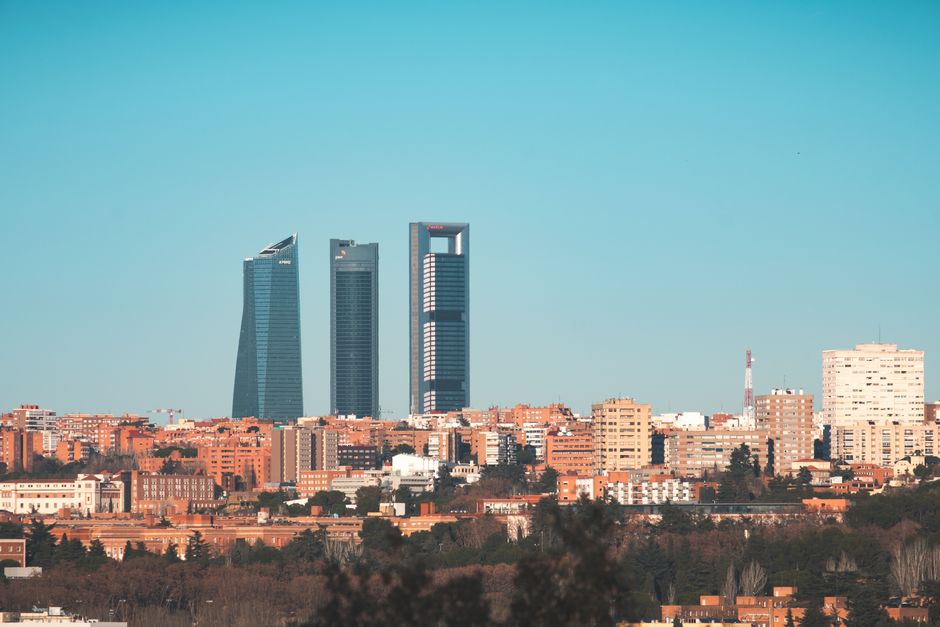
The strategic insight: rather than competing head-to-head with investors in trophy locations, first-time buyers should focus on emerging micro-neighbourhoods with strong transport links—areas within reach of Plaza Mayor or Retiro Park via metro, but not yet saturated. Proximity to employment hubs in the Financial District or the growing tech cluster near Puerta de Europa matters more than pure prestige.
The window for meaningful value in Madrid's core neighbourhoods is narrowing. Those armed with grant knowledge, realistic expectations, and patience will find genuine opportunities in 2026. Those chasing headlines will face frustration and overpayment.
This article was compiled by AI from the sources linked above and screened before publishing. See our editorial standards.